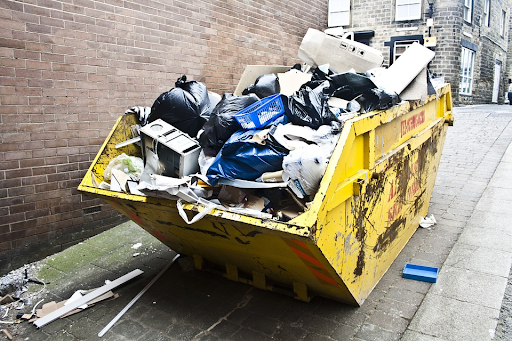
Running a construction site without the right tools is like trying to build a skyscraper with a toothpick. Enter waste bags: the unsung heroes of the construction world. These heavy-duty bags laugh in the face of rubble, sneer at sharp debris, and handle the chaos of job sites like absolute champs. Durable? Check. Spacious? Check. Versatile? You bet. But how exactly do these mighty bags earn their keep on-site? Let’s dig in.
What Are Waste Bags?
These oversized, tough-as-nails bags laugh in the face of regular garbage bags. Made from heavy-duty materials like reinforced plastics and woven polypropylene, they’re built to handle serious loads without so much as a tear. Need to haul waste, transport materials, or just keep your site looking sharp? Waste bags such as those from Mega Bag have got your back. With sizes and capacities to fit every job, they’re the versatile sidekick you never knew you needed. Say goodbye to flimsy bags and hello to the heavy-duty MVP of your site.
Top 7 Uses for Skip Waste Bags in Construction
1. Efficient Waste Management
Whether it’s conquering mountains of concrete rubble, wrangling rogue wood scraps, or taming general rubbish-related chaos, these bags turn a logistical nightmare into a tidy triumph. Waste bags simplify this task by offering a portable, robust solution to keep waste contained and make removal efficient. Their impressive capacity also minimises the need for frequent bag changes, saving both time and resources.
2. Transporting Loose Materials
These bags aren’t just for waste. Perfect for hauling gravel, sand, or small aggregates, they work in a variety of projects. Built like tanks, they laugh in the face of heavy loads, making wheelbarrows and buckets look like amateurs. For short trips or tight spots, these bags get the job done without breaking a sweat—or breaking apart.
3. Storing Excess Materials
Construction often generates leftover supplies like tiles, bricks, or piping. Instead of scattering these materials across the site, waste bags can serve as temporary storage units to keep everything organised. This practical solution not only declutters the site but also helps prevent accidental damage or loss of materials that might still come in handy later.
4. Ensuring Hazardous Material Containment
Certain construction projects involve dangerous materials such as asbestos, old insulation, or chemical waste. Waste bags that are designed specifically for hazardous waste disposal come with extra layers of durability and even certifications to ensure these dangerous elements are safely contained until proper disposal can be arranged, thereby reducing safety risks.
5. Boosting Worksite Safety
Accidents often occur on cluttered construction sites. By providing ample storage for tools, materials, and waste alike, waste bags play a hidden role in maintaining clean, organised, and hazard-free working environments. Fewer loose items around the site mean fewer tripping or injury risks for workers navigating the area.
6. Waterproofing Storage Solutions
Weather conditions often cause significant delays or damage in construction projects. Waste bags with waterproof properties are excellent for protecting sensitive tools, electrical supplies, or unused materials from rain or moisture. This added functionality ensures productivity on-site isn’t hampered by unpredictable weather changes.
7. Quick Demolition Clean-Up
Demolition projects produce vast amounts of rubble, requiring effective clean-up solutions. Teams working on demolition sites can use waste bags to quickly collect and remove debris, reducing downtime between demolition stages. This also helps prevent accidents or damage caused by loose rubble lying around.
Knowing which type of bag to choose for your construction project is crucial in maximising its benefits. When it comes to picking the perfect bag, think of it like matchmaking: strength, capacity, and design all matter. Hauling heavy stuff? Go for a bag that can handle the pressure. Moving fine materials like sand? Choose one with a tight weave—nobody likes a bag that leaks secrets.